Thinking about a brand‑new home in Crestview but not sure where to start? You’re not alone. Between shifting inventories, HOA and CDD questions, and timing a move with PCS orders or a school start date, new construction can feel complex. In this guide, you’ll learn where to find new builds in Crestview, what they typically cost and include, how build timelines really work, and the key inspections and documents to request. Let’s dive in.
Crestview new‑build snapshot
Crestview’s typical home value sits in the high $200ks, while many new construction listings for 3 to 4 bedrooms often appear in the mid $300ks, with larger or upgraded plans trending into the low $400ks. Actual pricing moves with inventory and finishes, so use these ranges as a starting point and verify availability week by week.
You’ll see recognizable production builders in and around Crestview. D.R. Horton has marketed communities like Patriot Ridge and Oxford Place. Adams Homes is active at Ridgeway Landing and Silvercrest, offering roughly 1,400 to 3,100 square foot plans and move‑in options that commonly span the mid $200ks to $300ks range based on current examples. For a live community sample, review the Adams Homes page for Ridgeway Landing in Crestview for current floor plans and features (Adams Homes – Ridgeway Landing). Nearby, national builders like Lennar have operated in adjacent areas such as Laurel Hill. Inventory shifts fast, so expect changes month to month.
Typical floor plans and features
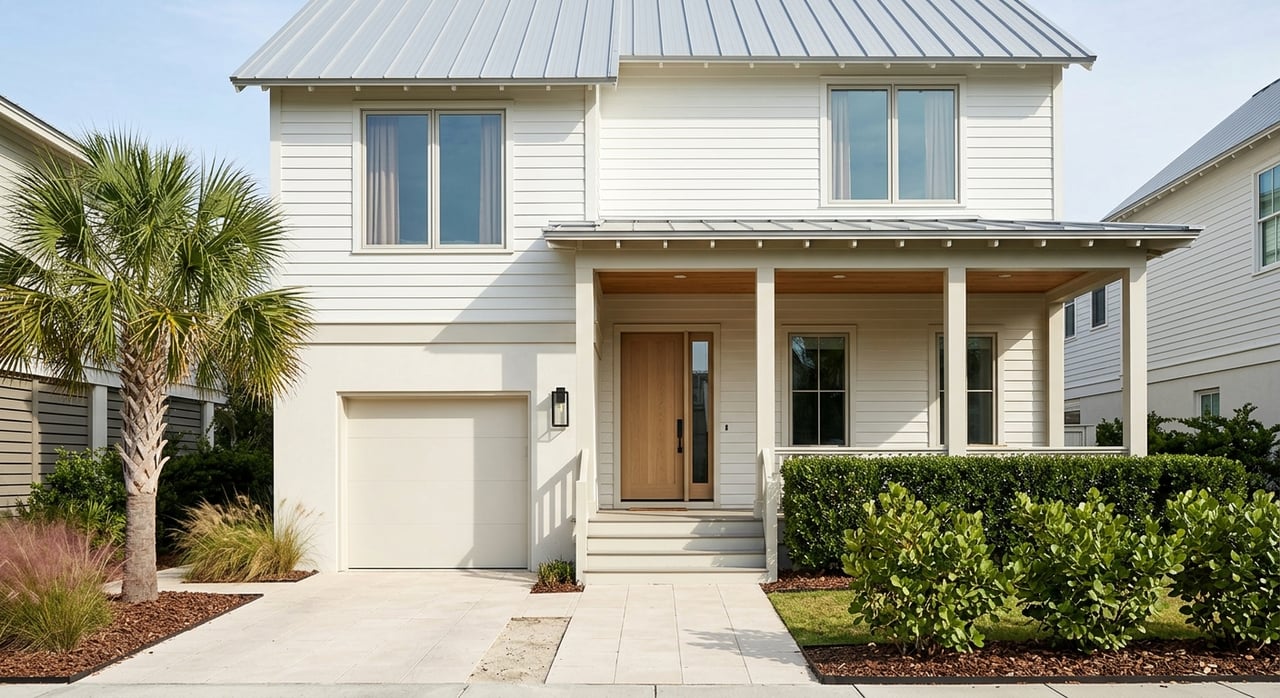
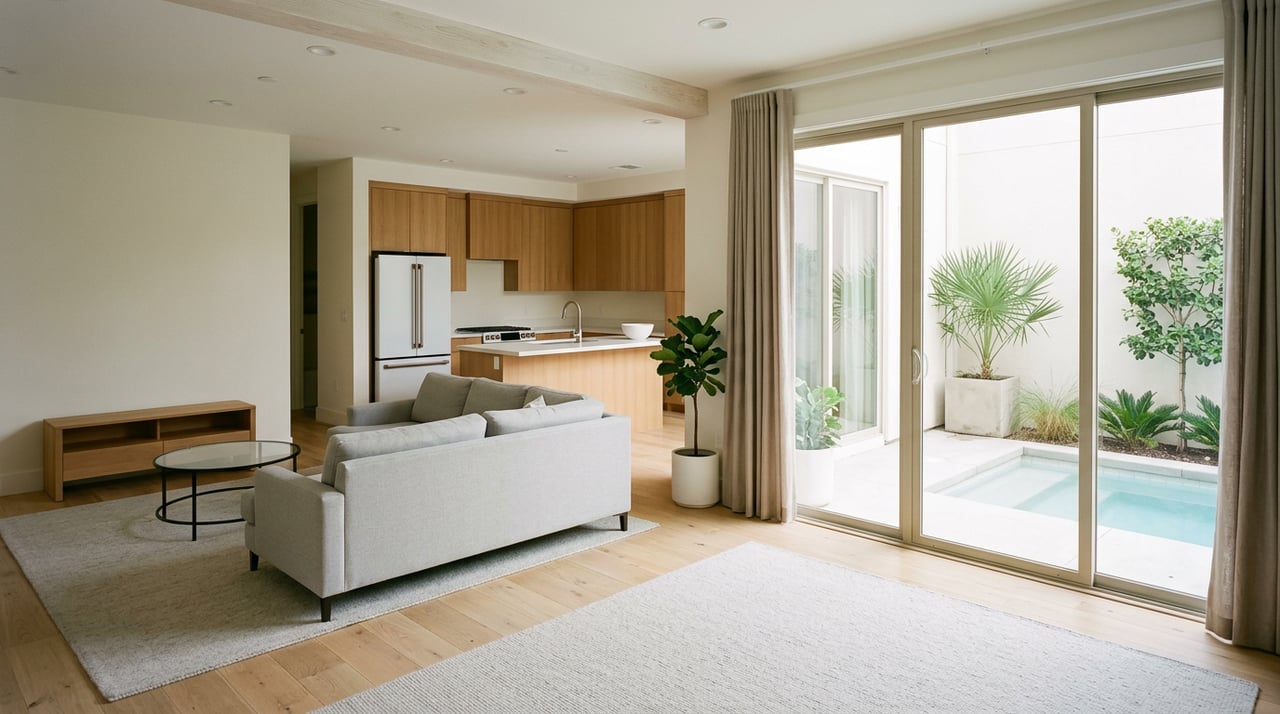
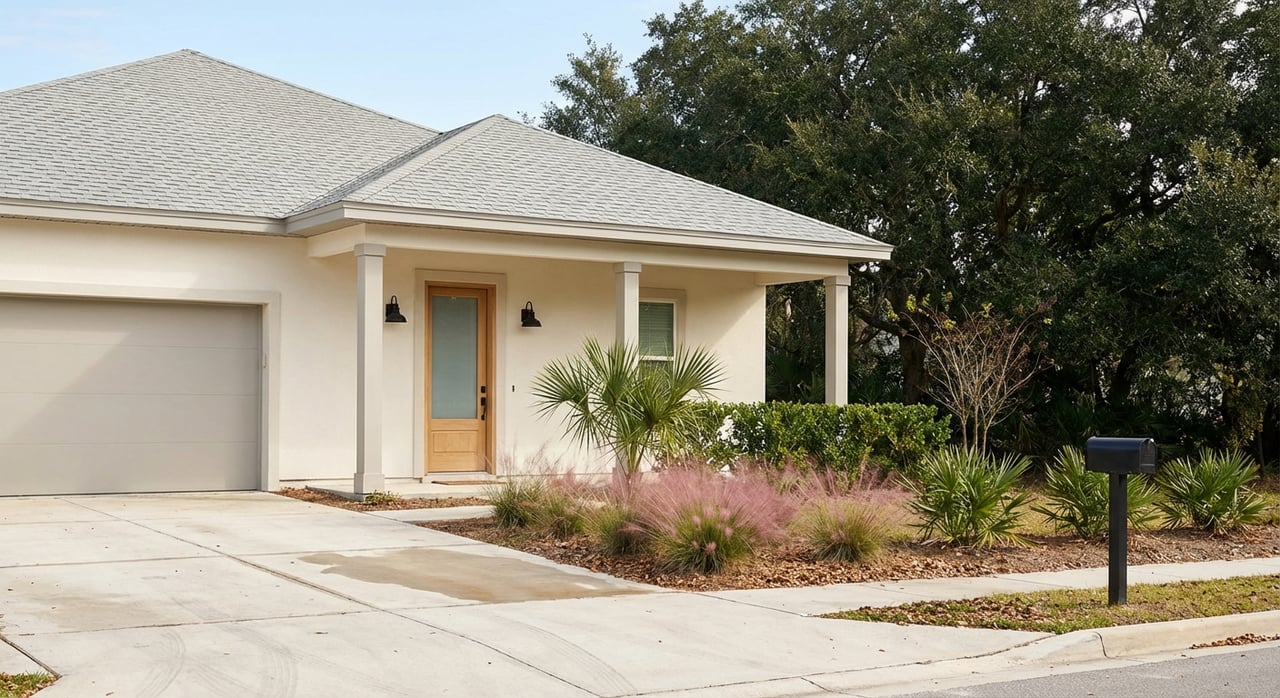
Most Crestview new builds follow practical, family‑friendly layouts. Expect 3 to 5 bedrooms, 2 to 3 baths, and sizes from about 1,600 to 2,600 square feet, with some larger two‑story plans approaching 3,000 square feet. Many communities include open‑plan kitchens, 2‑car garages, and finishes like granite or quartz on select models. Smart‑home packages show up in several national builder offerings, and certain neighborhoods add sidewalks or shared amenities.
Price bands to expect
As a broad guide, you’ll often find quick‑move 3 to 4 bedroom homes in the mid $300ks, with larger footprints or more upgrades pushing toward the low $400ks. Entry points for smaller footprints can appear lower depending on the community and spec list. Always cross‑check current community pages and MLS inventory through your agent for the most accurate picture.
Two paths to buy new
Quick‑move‑in homes
Spec or quick‑move‑in homes are already under construction or finished. If you need to close quickly, these are your best bet. Typical closings happen in weeks to 1 to 3 months depending on appraisal, title, and lender timing. This track fits hard move‑in dates, including many PCS scenarios where your arrival window is fixed.
Build‑to‑order homes
With a made‑to‑order production build, plan on roughly 6 to 12 months from lot reservation to completion. Your lender may offer 45 to 60 day rate locks for immediate closings, while extended locks for 180 to 360 days usually cost extra. Coordinate your financing strategy early and include any lock fees in your budget so there are no surprises when interest rates move (builder process and rate‑lock overview).
Plan around PCS and the school calendar
If your PCS date is firm, prioritize spec homes that can close on your timeline. If you have more flexibility or temporary lodging support, a build‑to‑order plan may work. Many service members use house‑hunting TDY options and relocation allowances to bridge the gap between orders and closing; your installation’s housing office and published PCS guidance can help you set expectations. For general context on PCS allowances and planning, review military‑focused guidance resources (PCS allowances overview).
Parents often plan move‑ins to minimize midyear school changes. Okaloosa County’s public school year typically begins in early to mid August and ends in late May. Check the current district calendar to align closing and move dates with first day of school (Okaloosa County School District calendar).
HOA vs CDD in plain English
Some Crestview communities have only a homeowners association, while others include both an HOA and a community development district. Understanding the difference helps you budget the true monthly carry.
- HOA: A private association that enforces deed restrictions and manages common areas and amenities. You pay regular dues set by the community.
- CDD: A special‑purpose local government created under Florida law that can levy long‑term non‑ad valorem assessments to finance infrastructure and amenities. CDD assessments appear on your property tax bill and may follow bond repayment schedules (Florida Statutes, Chapter 190).
How to find actual assessments
- Review the property’s tax bill via the Okaloosa County Property Appraiser’s site to see CDD and other non‑ad valorem assessments on record (Okaloosa County Property Appraiser).
- Ask the builder or seller’s representative for the current HOA dues, CDD operating and maintenance budget, and any bond repayment schedule.
- Confirm whether assessments are fixed, tiered by lot size, or subject to change by the district or association.
Budgeting tips
CDD assessments and HOA dues can change your monthly payment in a meaningful way. If you are comparing two homes at similar prices, the one with higher ongoing assessments may carry a higher monthly cost even with the same mortgage rate. Build a simple side‑by‑side that includes principal and interest, taxes, HOA, CDD, and insurance so you can compare apples to apples.
Permits, inspections, and quality checks
Verify permits and approvals
Okaloosa County handles building permits and inspections for new construction. When you are evaluating a specific address or lot, ask your agent to verify permit status and inspection results. A practical overview of the local permitting process can help you know what to expect during plan review and inspections (Okaloosa County building permit overview).
Smart inspection timeline for new builds
Even new homes deserve third‑party eyes. A proven approach is to schedule four checkpoints with an independent inspector:
- Pre‑foundation or early foundation review as allowed by code.
- Pre‑drywall after electrical, plumbing, and HVAC rough‑ins, and before insulation and drywall. This is your best chance to catch concealed issues (pre‑drywall inspection guidance).
- Final walkthrough near closing to verify punch‑list items and system operation.
- An 11‑month inspection to capture warranty items before the end of the builder’s one‑year workmanship coverage.
What builder warranties usually cover
Many production builders follow a 1‑2‑10 structure: 1 year for workmanship and materials, 2 years for major systems like electrical, plumbing, and HVAC, and 10 years limited structural coverage. Always request the full warranty document, not just a brochure, and note claim steps and any arbitration requirements. For an industry reference on structural plans, see 2‑10 Home Buyers Warranty resources (2‑10 warranty reference).
Build for Florida resilience and value
Wind mitigation and building code
Florida’s building code includes wind‑resistant requirements that can improve durability and may help with insurance premiums. Ask your builder about roof‑to‑wall connectors, secondary water barriers, and impact‑rated windows or shutter options. Request documentation you can share with your insurer, including a wind‑mitigation inspection form. For background on Florida building standards and wind requirements, review the state’s code FAQs (Florida Building Code FAQs).
Termite protection matters
Northwest Florida is a termite‑risk area. Confirm pre‑construction termiticide treatment, request the pest‑control contract and records, and know the maintenance plan going forward. UF/IFAS recommends prevention details like avoiding wood‑to‑soil contact and preserving inspection spaces around the foundation. These steps protect your investment and help at resale (UF/IFAS termite guidance).
Roof, drainage, and HVAC details
Ask your builder to walk you through roof materials and flashings, site grading and drainage plans, and HVAC duct design. Good envelope details and mechanical layout reduce long‑term service calls and improve energy performance. They are also items future buyers and inspectors notice, which supports resale confidence.
Quick buyer checklist
Use this short list as you compare communities and homes:
- Get pre‑approved and discuss 45 to 60 day locks vs. paid extended locks for longer builds (new‑build timeline and lock basics).
- Define must‑haves: beds, baths, square footage, commute, and amenity needs.
- Tour active communities and ask about current spec homes and upcoming releases. Review a live example of floor plans and features at Ridgeway Landing (Adams Homes – Ridgeway Landing).
- Request all HOA documents, CDD budgets, and bond schedules. Verify assessments on the tax site (Okaloosa Property Appraiser).
- Confirm building permits and inspection status for any home you are considering (permit overview).
- Schedule third‑party inspections at pre‑drywall, pre‑close, and month 11 (pre‑drywall guidance).
- Collect full warranty documents and claim procedures, not just summaries (2‑10 warranty reference).
- Request wind‑mitigation and termite treatment documentation (Florida Building Code FAQs, UF/IFAS termite guidance).
- Align contract dates with PCS and the school calendar (PCS allowances overview, Okaloosa school calendar).
Local help you can trust
Buying new construction is part timing, part due diligence, and part design decisions. As a veteran‑owned, construction‑smart brokerage serving the Emerald Coast, we help you compare communities, read through HOA and CDD documents, coordinate inspections, and plan a timeline that fits your life. If you want clear, practical guidance from advisors who understand both new builds and military moves, connect with 316 Realty Group LLC. Schedule a free consultation and let’s map the right path to your Crestview new home.
FAQs
What price range should I expect for Crestview new construction?
- Many 3 to 4 bedroom production homes list in the mid $300ks, with larger or upgraded plans moving toward the low $400ks. Always verify current inventory and incentives through your agent.
How long does it take to build a new home in Crestview?
- Production builds commonly take 6 to 12 months after lot selection, while spec homes can close in about 1 to 3 months depending on financing and title; discuss rate‑lock options early with your lender (timeline basics).
What is a CDD and how does it affect my payment?
- A CDD is a special‑purpose local government that funds infrastructure via non‑ad valorem assessments on your tax bill, which adds to monthly carry; review Florida’s CDD statute and confirm assessments on the county tax site (Florida Chapter 190, Okaloosa Appraiser).
Which inspections should I order for a new build?
- Schedule pre‑drywall, pre‑closing, and an 11‑month warranty inspection with an independent inspector to catch concealed issues and document warranty items (pre‑drywall checklist).
Do Florida code and wind‑mitigation features lower insurance costs?
- Homes built to current code with wind‑mitigation features often qualify for insurer credits; ask your builder for documentation and a wind‑mitigation inspection form to share with your carrier (Florida Building Code FAQs).
How do I align a PCS move with a new construction home?
- If your report date is fixed, target spec homes that can close on your schedule; if you have flexibility or lodging support, a build‑to‑order plan may work, and military PCS resources can help you plan allowances and timelines (PCS allowances overview, Okaloosa school calendar).