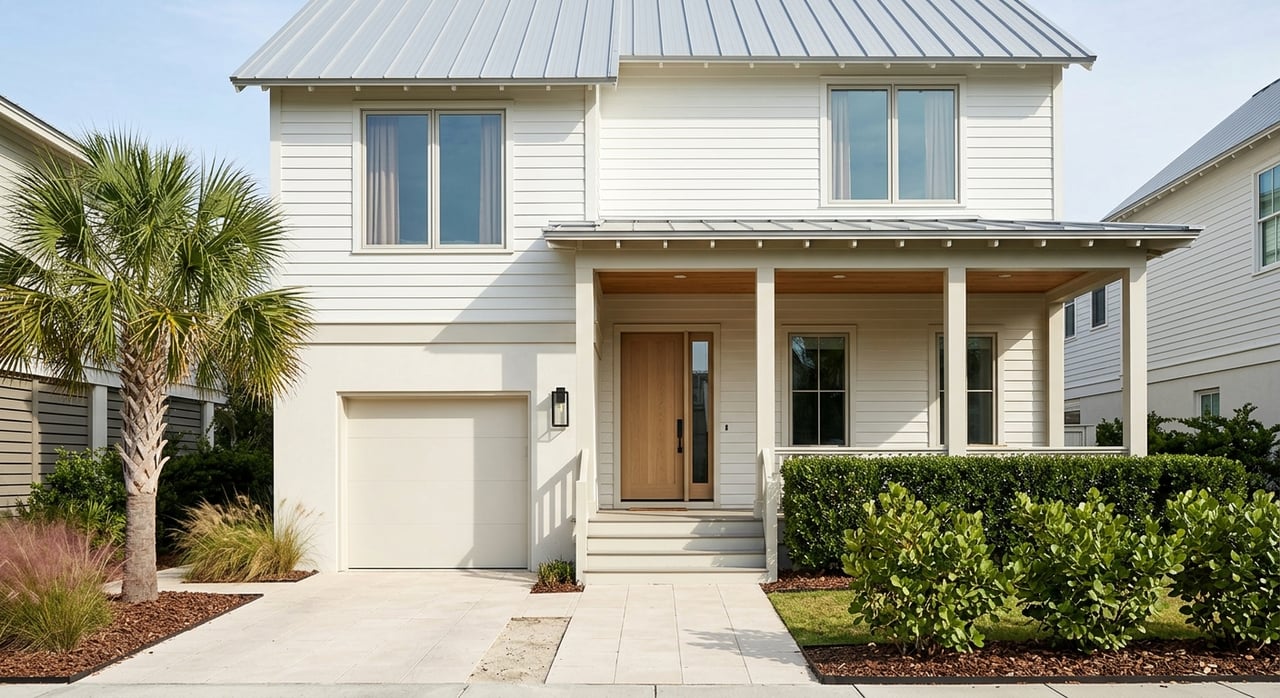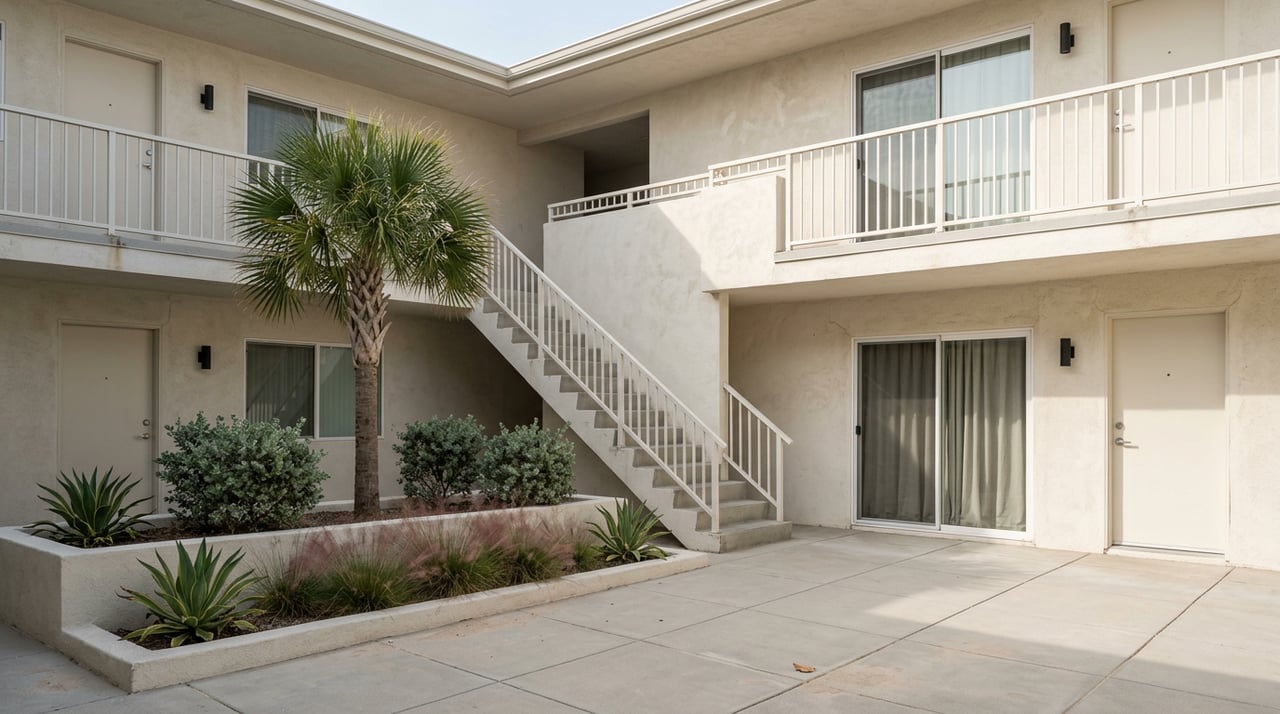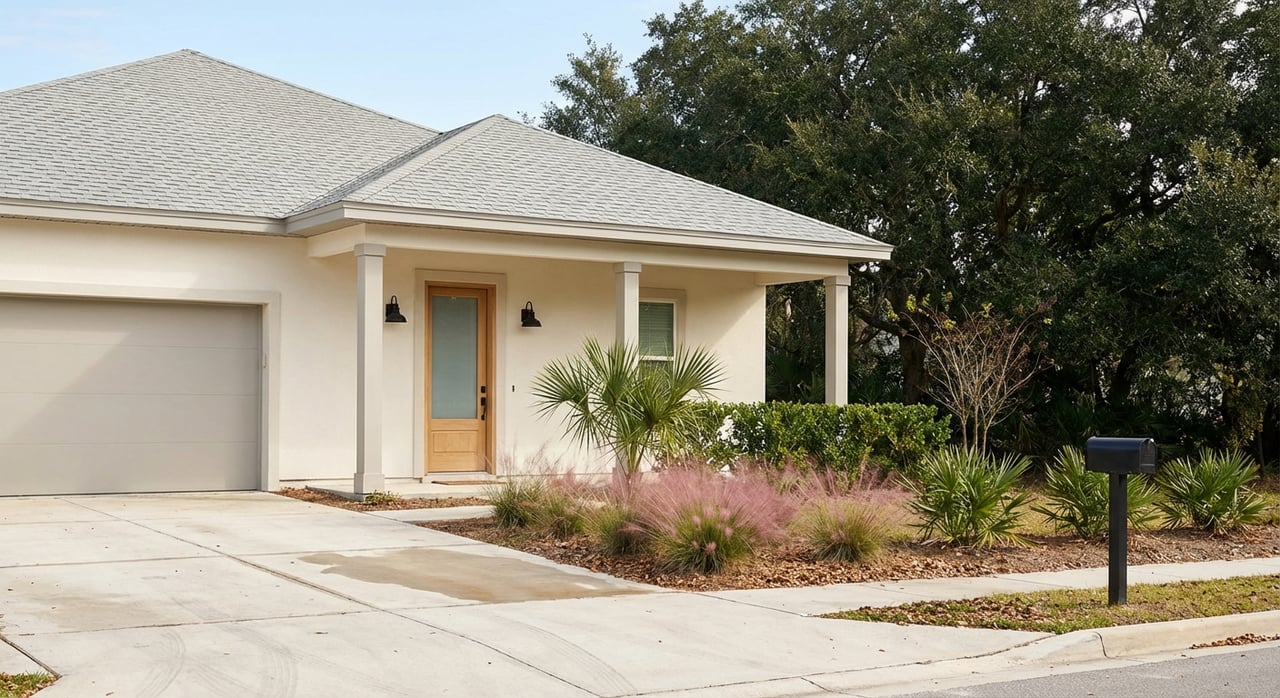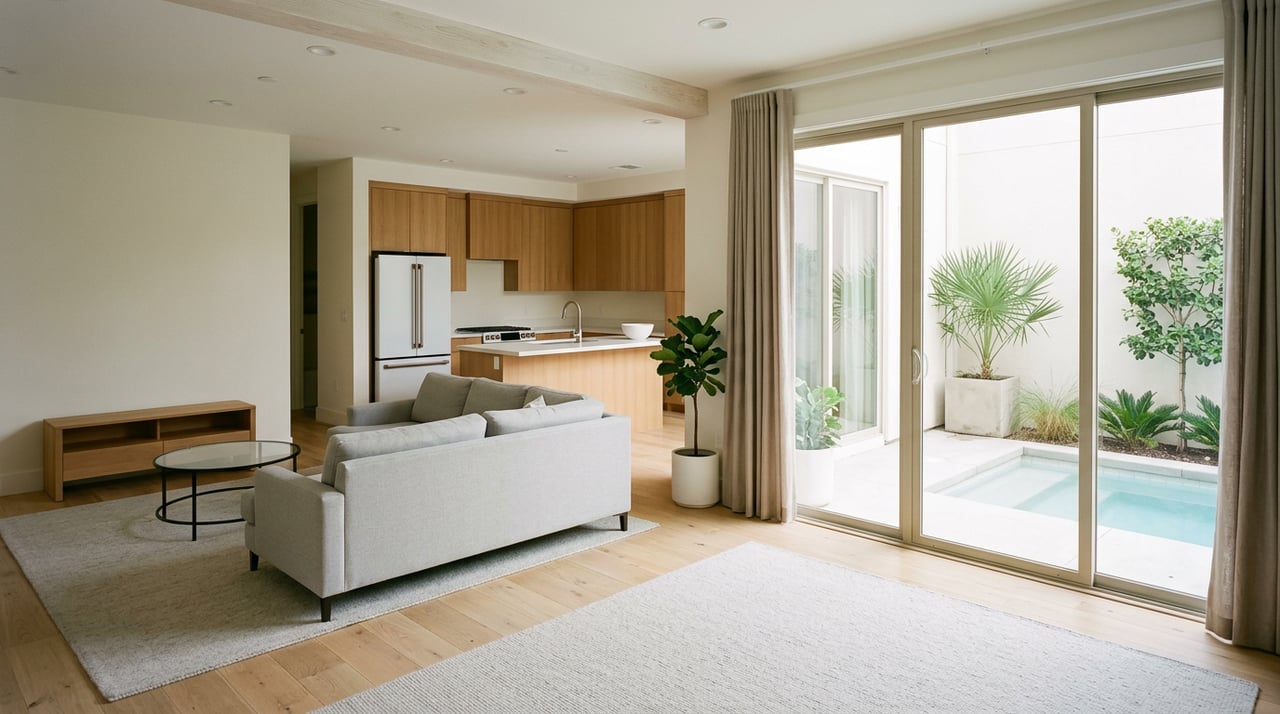
Thinking about buying in Destin and torn between living here full time or turning the place into a vacation rental? You are not alone. The Emerald Coast lifestyle is hard to resist, and the rental market can be strong, but the rules and costs differ in important ways. In this guide, you will learn the local regulations, taxes, financing, insurance, and practical steps that shape both paths so you can choose with confidence. Let’s dive in.
Destin choice: primary vs rental
Both options can work in Destin. Your best fit depends on how you plan to use the home and what you expect from cash flow and lifestyle.
- A primary residence keeps financing and insurance simpler and may support long‑term plans to live on the coast.
- A vacation rental behaves like a small business. You will manage licensing, local taxes, insurance, and guest turnover. Done well, it can offset carrying costs.
The details below show how each path works in Destin and Okaloosa County.
City rules to know
If you plan to rent for short stays, the City of Destin treats this as a regulated activity. Before you buy or list your place, check:
- Annual city registration. Destin requires short‑term rentals to register each year, with a fee based on square footage and a renewal cycle that starts January 1. You must also meet late‑fee deadlines. You can review the city’s process in the City’s Short‑Term Rental FAQ. See the City of Destin STR FAQ.
- Occupancy rules. Destin limits overnight guests to 2 adults per bedroom plus 4 additional people, up to a maximum of 24 total.
- Local contact and response time. You must post an exterior sign at least 18" x 18" with a 24/7 local contact, occupancy, parking, and other required details. The local contact must be able to respond within one hour.
- Zoning. Not every parcel allows short‑term rentals. Use the city’s resources to confirm zoning and whether your condo or complex has separate rules before you buy.
If you aim to live in the home as a primary residence and only host a handful of personal‑use stays, most of these rules do not apply. But always confirm your exact use with the City before you assume anything.
County and state taxes
Okaloosa County treats rentals of six months or less as transient stays. That means you need to collect and remit a county Tourist Development Tax, separate from state sales tax. Rules, rates, and deadlines can change. Review the Clerk’s FAQ and registration portal to confirm the current rate and filing schedule for your property in the Destin–Fort Walton Beach area. Check the Okaloosa Clerk TDT FAQ.
At the state level, many short‑term rentals must also hold a license from the Florida Department of Business and Professional Regulation (DBPR). This is generally triggered when the dwelling is rented more than three times a year for periods under 30 days, or when it is advertised as a short‑term stay. State licensing is separate from county and city requirements. Review the DBPR vacation rental guide.
Okaloosa County also provides a central resource for local definitions and helpful links for short‑term rentals. Start with the county’s STR overview.
HOA and condo rules
Association rules can be decisive. Florida law often “grandfathers” existing owners when condo boards adopt new rental limits. In many cases, a new restriction binds only those who consent and future purchasers. Homeowners’ associations adopted after July 1, 2021 face similar limits, though they may enact minimum lease terms of six months or limit rentals to three times per year if properly adopted. Always verify the recorded CC&Rs, request an estoppel certificate, and read recent meeting minutes before you buy. See the Florida condo statute section that discusses amendments and owner consent. Review the statute text.
Financing by occupancy
Lenders price and underwrite based on how you plan to use the property. This choice can change your down payment, reserves, and even program eligibility.
- Primary residence. If you plan to occupy, you may qualify for programs focused on owner‑occupied homes. Some loan types, like FHA or VA, require you to certify that you will move in within a set time and maintain occupancy intent. Always confirm with your lender whether your plan meets program rules. See HUD’s FHA program guidance.
- Second home vs investment. For conventional loans, agency guidance sets higher cash reserve requirements for non‑primary occupancy. Fannie Mae typically requires two months of verified reserves for a second home and six months for an investment property, with added requirements if you hold multiple financed properties. These rules can be the difference between an approval and a denial, especially if you keep your current primary home. Review Fannie Mae’s reserve rules.
If your goal is steady nightly income, most lenders will classify the home as an investment property. If you want a personal beach base with only occasional short stays, a second‑home classification may fit. Discuss your exact plan with your lender before you write an offer.
Insurance and upkeep costs
Coastal properties carry different risks and policy structures than inland homes. If you plan to rent frequently, expect insurers to view the use as commercial in nature and underwrite accordingly.
- Wind and flood. Many properties need separate wind or flood coverage. Condos often have master policies with large hurricane deductibles or limited interior coverage. You may need a unit policy for contents, interior finishes, and liability. See Florida’s insurance statute on wind and commercial residential programs.
- Short‑term rental coverage. Ask for quotes that include guest liability and business‑income coverage for interruptions. Some carriers treat frequent short‑term rental use differently than seasonal or long‑term occupancy.
- Turnover and wear. Nightly stays increase cleaning, linens, utilities, and replacement cycles for furniture and small appliances. Budget for a local manager or a reliable local contact, which Destin requires for STRs.
If you plan to live in the home full time, your insurance needs tend to be simpler, though you still want to understand hurricane deductibles and flood risk.
Taxes and personal use
Short‑term rental income is subject to state sales tax, any applicable county surtax, and the county Tourist Development Tax. Platforms may collect state sales tax for you, but you remain responsible for local filings and county TDT unless a platform specifically covers it. Confirm what is collected on your behalf and what you must remit and report. Use the Clerk’s TDT FAQ to verify details.
For federal income taxes, personal use affects how you deduct expenses. The IRS uses a personal‑use test for vacation homes: if you use the property personally for more than the greater of 14 days or 10% of the days it is rented at fair market value, your deductions may be limited. IRS Publication 527 explains how to divide expenses between personal and rental days and when the home is treated as a rental enterprise. Read IRS Publication 527.
If you later sell a property you used as your primary home, you may be eligible for a capital gains exclusion under the Section 121 “2‑of‑5‑years” rule. Pub 523 explains this framework and how mixed use can affect your outcome. Review IRS Publication 523.
Finally, be careful with property tax homestead status. Local guidance warns that claiming homestead on a property you are renting can be challenged. If you plan to claim homestead in Okaloosa County, confirm occupancy and timing with the Property Appraiser before you list the home as a vacation rental. See the county’s STR overview.
Buyer checklist
Use this quick list as you compare options. Save it and bring it to showings and lender calls.
- Legal permissibility
- Confirm if the property is inside Destin city limits. If so, review city STR registration, sign, and occupancy rules. Start with the City STR FAQ.
- Check that zoning allows STRs and whether any protective covenants apply. Use the county’s STR info page.
- Request and review CC&Rs, rules, an estoppel certificate, and recent meeting minutes. Note Florida’s condo/HOA “grandfathering” framework. See the condo statute section.
- Tax and registration
- Identify all required accounts: state sales tax, county TDT, and any DBPR vacation‑rental license. City registration is also required for STRs inside Destin. Review the DBPR guide. Check the TDT FAQ.
- Financing
- Ask your lender how they will classify the home and what reserves and documents you need. Confirm whether FHA or VA is an option for your plan. Review Fannie Mae’s reserve guidance. See HUD’s FHA resource.
- Insurance and flood risk
- Obtain written quotes for wind, flood, and a unit or landlord policy. If it is a condo, request the master policy and deductible details. See Florida’s insurance statute.
- Operations and cash flow
- Model conservative occupancy and nightly rates and include management, cleaning, utilities, taxes, and reserves for replacement. Confirm who collects and remits state sales tax and who files county TDT. Use the Clerk’s TDT resource.
- Exit strategy and taxes
- If you might switch from rental to primary or vice versa, map out timelines for the IRS primary‑home exclusion and how personal use changes deductions. Review IRS Pub 527 and Pub 523.
Rules of thumb
- Choose a primary residence if you value simpler financing and insurance, want to homestead, and only expect occasional personal‑use hosting within IRS limits.
- Choose a vacation rental if your numbers work after including taxes, insurance, management, and reserves. Expect higher lending reserves and treat the home like a business with licensing and local tax compliance.
Ready to compare real properties and see how your plan pencils out in Destin? Our veteran‑owned, construction‑savvy team helps you pressure‑test HOA rules, request the right documents, and align financing and insurance before you write an offer. Schedule a free consultation with 316 Realty Group LLC to get a clear, local plan.
FAQs
What are Destin’s short‑term rental rules and occupancy limits?
- Destin requires annual STR registration, an exterior 18" x 18" sign with a 24/7 local contact, and follows an occupancy limit of 2 adults per bedroom plus 4 additional people, capped at 24. See the City STR FAQ.
Do I need a Florida DBPR license to rent my Destin condo?
- If you rent more than three times per year for periods under 30 days or advertise as a short‑term rental, you likely need a DBPR vacation‑rental license in addition to local registrations. Review the DBPR guide.
How are Okaloosa County tourist taxes handled for nightly rentals?
- Rentals of six months or less are subject to the county Tourist Development Tax, separate from state sales tax; confirm rates, deadlines, and whether your platform remits any taxes for you. Check the Clerk’s TDT FAQ.
Can my HOA or condo board restrict short‑term rentals in Destin?
- Yes. Associations can adopt restrictions, and Florida law often applies them to consenting owners and future buyers while grandfathering existing owners; always review CC&Rs, an estoppel certificate, and meeting minutes. See the condo statute section.
What financing should I expect if I plan to run a vacation rental?
- Conventional loans often classify frequent rentals as investment use and require higher reserves, commonly six months per Fannie Mae guidance, with added rules for multiple financed properties. Review Fannie Mae reserves.
How does the IRS treat personal use of a Destin vacation home?
- If personal use exceeds the greater of 14 days or 10% of the days rented at fair market value, rental deductions may be limited; for later sales, the primary‑home exclusion uses the 2‑of‑5‑years rule. See IRS Pub 527 and Pub 523.