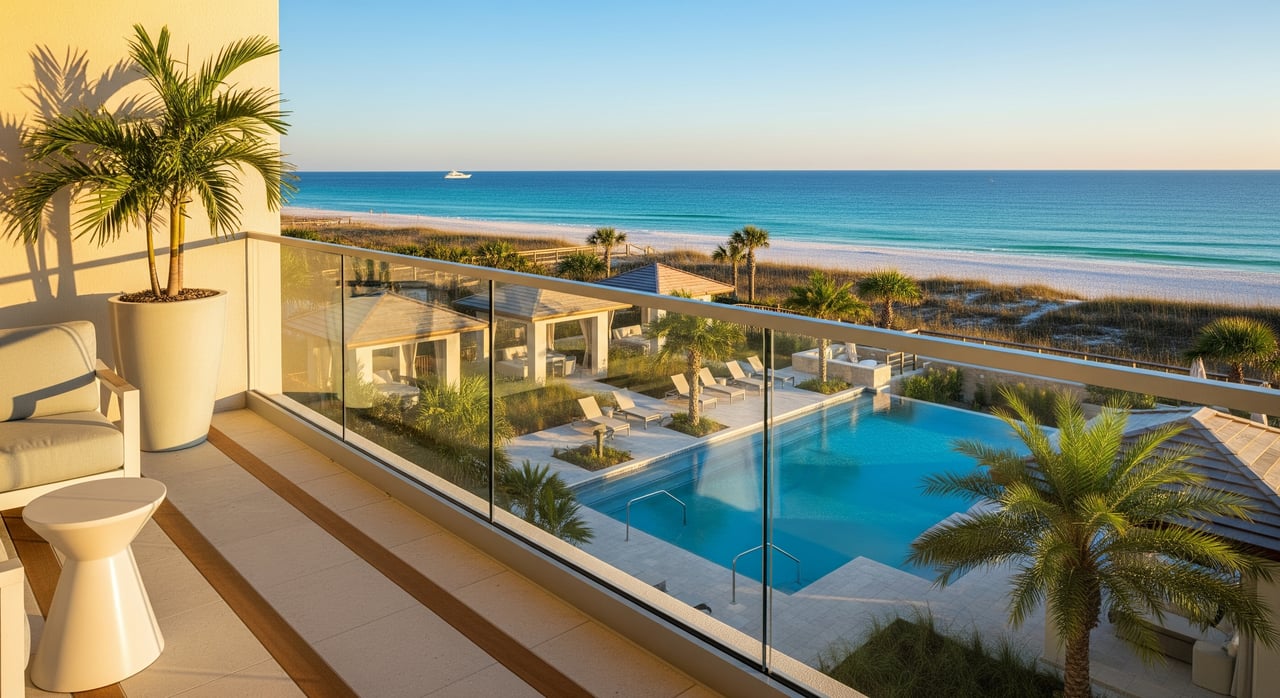
Dreaming of a Destin condo for weekend escapes or rental income? Before you fall in love with the view, take a close look at the association behind the building. Rules, fees, reserves, and insurance can shape your budget, your loan options, and your future resale price. This guide breaks down what matters in Destin and how to evaluate a condo association with confidence. Let’s dive in.
What associations control
Condo associations in Florida operate under the Florida Condominium Act and run on a set of governing documents. These include the Declaration, Bylaws, Articles, and day-to-day Rules and Regulations. You will also see budgets, reserve studies, meeting minutes, insurance certificates, and disclosures about litigation.
These documents decide what you can do with your unit and what it costs to own. They outline rental policies, pet rules, parking, and who is responsible for repairs. They also show how the board operates and how transparent the association is with owners.
Common Destin condo rules
Short-term rental rules vary by building. Some allow frequent vacation rentals, while others set minimum stays, require registration, or limit advertising. A few communities restrict short-term rentals entirely.
Pet policies often set size or number limits. Parking rules may assign spaces and restrict guest parking. You will also see quiet hours and occupancy guidelines.
Exterior changes usually require approval. Many buildings control balcony work, windows, and materials. Amenity use may include rules for pools, gyms, docks, and boat slips, sometimes with extra fees or waitlists.
City and county rental rules
Destin sits in Okaloosa County, and rules differ inside the City of Destin versus unincorporated areas. Local governments may require short-term rental registration and permits. They also enforce noise limits, parking, occupancy, and life-safety standards.
Confirm which jurisdiction applies to the specific address. Check for recent ordinance changes that affect rentals, parking, or occupancy. If you plan to rent, verify both local requirements and the condo’s rules before you write an offer.
Fees and budgets explained
Monthly assessments pay for routine maintenance, utilities for common areas, management, insurance, and operations. In coastal communities like Destin, salt air and hurricane exposure raise upkeep and insurance costs. That is why fees can run higher than inland projects.
Budgets should show line items for maintenance, insurance, management, and reserves. Review at least the current budget and the prior year’s budget. Look for consistent funding, realistic expense assumptions, and clear categories.
Reserves and special assessments
A reserve study estimates the timing and cost of big-ticket repairs like roofs and elevators. Healthy reserves lower the risk of surprise special assessments. Industry guidance supports regular studies and steady funding, and Florida requires disclosure of reserve items in budgets.
Red flags include no recent reserve study, very low balances for the building’s age, or frequent special assessments. Ask about upcoming capital projects in the next one to five years. Confirm whether reserves match the planned timeline for major replacements.
Insurance and flood considerations
The association’s master policy usually covers the structure and common elements. Your HO-6 policy covers interior finishes, personal property, liability, and may include loss assessment. In Florida coastal markets, windstorm coverage and deductibles are a major cost driver.
Ask for the association’s insurance certificates and windstorm deductible details. Flood insurance is separate from wind and is required by many lenders if the building lies in a Special Flood Hazard Area. Budget for your HO-6 and, if needed, flood insurance alongside monthly assessments.
Financial health and delinquency
Request at least two years of financial statements and bank reconciliations. Review the balance of operating funds versus reserves. Ask whether the association has lines of credit or loans tied to reserves.
Delinquency rates matter. A high percentage of owners behind on dues can strain services and complicate financing and resale. Look for clear enforcement policies and a stable management structure.
Financing impacts you should know
Many lenders apply condo project eligibility rules. Conventional and government-backed loans can be affected by inadequate reserves, high delinquency, heavy investor concentration, pending litigation, or a single entity owning too many units. Some lenders view a high share of short-term rentals as higher risk.
FHA and VA loans have separate approval processes. Lack of required insurance or reserve funding, or active litigation, can block approval. If a special assessment is announced, your lender may require it to be paid or escrowed before closing.
Before you offer, ask your lender if the specific building is eligible for your loan type. Confirm whether any association litigation, insurance changes, or rental activity could affect approval. If you need FHA or VA, verify the project status early.
Resale factors in Destin
Rentability affects your buyer pool and potential income. Rules that restrict rentals can reduce investor demand but may appeal to some owner-occupants. Understand how the building’s policy shapes future demand.
Insurance costs and windstorm deductibles influence long-term budgets and buyer confidence. Special assessments and frequent large projects can slow resale and lower offers. Pending litigation is a strong deterrent for buyers and lenders.
Due diligence checklist
Gather these items as early as possible or include them as a contract contingency:
- Declaration, Bylaws, Articles, and Rules and Regulations
- Current budget and prior year budgets
- Reserve study and current reserve balances
- Two years of financials and recent bank reconciliations
- Insurance certificates for hazard, windstorm, and flood, with deductibles
- Board meeting minutes for the last 12 to 24 months
- List of pending or recent litigation
- Resale certificate or estoppel letter showing assessments and violations
- Rental rules and any required local rental permits or registrations
- Owner occupancy versus investor ownership summary
- Management contract and manager or CAM contact
- Engineering or inspection reports for common elements
Smart questions to ask
- What is the current monthly assessment and what is included?
- Are any special assessments pending or planned? Amount and timing?
- How much is in reserves? When was the last reserve study?
- What is the current delinquency rate for dues?
- Are short-term rentals allowed? Any caps or minimum stays?
- Have insurance premiums or wind deductibles changed in the last 12 to 36 months?
- Is the association in litigation? What is the scope of risk?
- What are the policies on pets, parking, and any age restrictions?
- Is any portion of the building still under developer control?
Offer strategy that protects you
Make your offer contingent on document review and lender project eligibility. Include a right to cancel if the resale certificate reveals undisclosed assessments, litigation, or insurance gaps. If rental income is part of your plan, get written confirmation of rental rules and local permit steps.
Secure a pre-approval from a lender experienced with Florida coastal condos. Have an insurance agent provide quotes for HO-6 and, if applicable, flood. Build these numbers into your cash flow and comfort level before you finalize terms.
How we help buyers in Destin
You deserve a clear, practical roadmap through condo due diligence. Our team brings local market knowledge and hands-on experience with coastal buildings. We help you read budgets, interpret reserve studies, and spot red flags that affect financing and resale.
As a veteran-owned, boutique brokerage, we focus on service and accountability. We guide first-time condo buyers and second-home shoppers through documents, lender coordination, and local rental and permit checks. When you are ready, we help you align your goals with the right building and a sound offer strategy.
Ready to evaluate a condo with confidence and protect your resale? Reach out to 316 Realty Group LLC to schedule a free consultation.
FAQs
What do Destin condo fees usually cover?
- Fees typically fund building maintenance, common-area utilities, management, master insurance, amenities, and reserves for major repairs. Coastal properties often carry higher costs due to salt air and hurricane preparation.
How do short-term rental rules affect financing?
- Lenders review project eligibility and may view buildings with heavy short-term rental activity as higher risk, which can limit loan options. Always confirm rental policies and lender requirements before you offer.
What is an estoppel letter in a Florida condo purchase?
- It is a resale certificate from the association that confirms unpaid assessments, special assessments, and any violations tied to the unit. Use it to verify costs and compliance before closing.
Why do reserves and special assessments matter for resale?
- Strong reserves reduce surprise costs and signal good management, which supports buyer confidence and financing. Frequent or large special assessments can slow demand and pressure prices.
What insurance will I need for a Destin condo?
- The association’s master policy covers the structure and common areas. You will likely need an HO-6 policy for interior finishes and liability, and flood insurance if required by location or your lender.
Can I use VA or FHA financing for a Destin condo?
- Possibly, but FHA and VA have project approval standards that must be met. Factors like litigation, reserves, and insurance can affect approval, so verify the building’s status early with your lender.