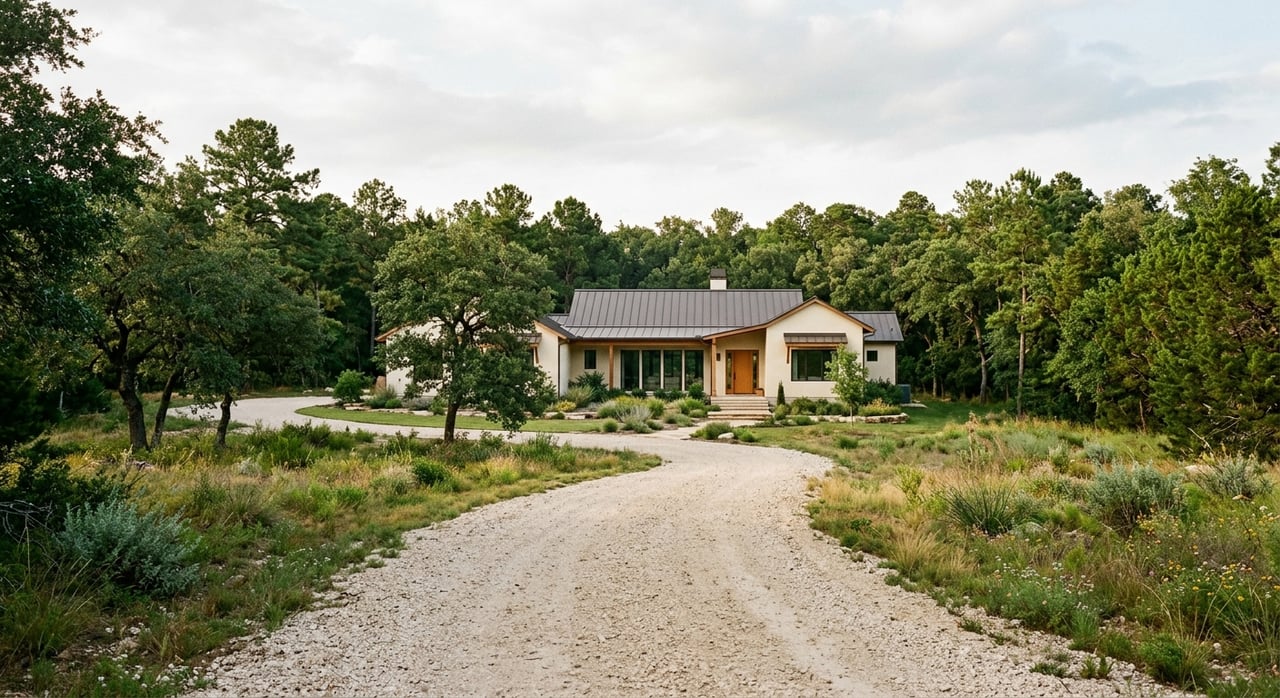
Thinking about buying land in Laurel Hill? It can be an exciting move, but acreage comes with a very different set of questions than buying a typical homesite. If you want room to build, farm, keep timberland, or simply enjoy more space, you need to look beyond price and focus on zoning, access, utilities, and buildability. This guide will help you understand what matters most before you buy, so you can move forward with more confidence. Let’s dive in.
Why Laurel Hill appeals to acreage buyers
Laurel Hill’s 32567 planning area is rural in character, according to Okaloosa County. Much of the land is undeveloped, agricultural, or timberland, and the area has sparse population density with many landholdings of 10 acres or more.
That matters if you are shopping here because you are often evaluating true acreage parcels, not standard suburban lots. Your goals may involve a custom home, a hobby farm, recreational use, or a long-term land investment, and each of those goals depends on what the land can legally and practically support.
Start with zoning before anything else
One of the first things to verify is zoning. In unincorporated Laurel Hill, Okaloosa County’s Land Development Code controls land use, and the county’s official zoning map through Growth Management is the final zoning reference.
For many buyers in Laurel Hill, the two zoning districts that matter most are Agriculture (AA) and Residential Rural (RR). While both can support rural living, they are not the same, and the difference can affect what you build, how you divide land, and what kind of use fits the property best.
Agriculture (AA) zoning
AA is the most agriculture-friendly district. Okaloosa County says it is intended for agricultural production and also supports conservation, outdoor recreation, very low-density residential use, and public or institutional uses.
This district can support uses like cropland, pasture, orchards, nurseries, tree farms, timberland, barns, stables, silos, farm accessory buildings, and produce stands. For buyers who want land with a strong agricultural focus, AA may be the best fit.
The bulk regulations in AA show a 10-acre minimum lot size, with a conditional one-acre option in certain cases. For those one-acre lots, access must come from an existing state or county-maintained road, each lot needs at least 50 feet of frontage, up to two lots may use a recorded easement, and development is not allowed in floodways.
Residential Rural (RR) zoning
RR is often the key district for buyers who want a rural homesite with room to spread out. The county describes RR as a district for low-density residential living in a rural setting, including hobby-farm, ranchette, and estate-style development.
RR generally averages one dwelling unit per five acres, though one-acre and half-acre lots can be created under specific conditions. The code permits single-family detached homes, category A and B manufactured or mobile homes, home occupations, small-scale agriculture, and utilities.
For lot creation and access, RR has some specific rules. One or two one-acre lots may use a recorded easement, while more than two half-acre lots need road frontage and platting. Half-acre lots must be within a current or future water service area and must connect to public water when it becomes available.
Why access matters more than many buyers expect
A parcel can look great online and still be difficult to use if access is not clear. Legal access is one of the most important parts of acreage due diligence in Laurel Hill.
In RR, up to two one-acre lots or two half-acre lots can use a recorded easement, but larger splits may require frontage on a state or county-maintained road and may trigger subdivision or platting requirements. In AA, one-acre lots also need road frontage, and up to two lots may use a recorded easement.
That means you should not assume a dirt path, informal driveway, or neighbor agreement is enough. Before you buy, you want to confirm whether the parcel has legal access that supports your intended use now and in the future.
Water, septic, and power are major buying factors
Buying acreage is not just about whether you can own the land. It is also about whether you can service it and build on it in a realistic way.
Okaloosa County’s planning profile for 32567 says drinking water in Laurel Hill and Almarante comes from the Auburn Water System and the Laurel Hill Water System, with private wells used where community water is not available. The same profile says there are no central sewage treatment systems in the planning area, so sewage is handled by onsite septic systems.
Electric service in the area is provided by Choctawhatchee Electric Cooperative and Florida Power and Light. If you are comparing parcels, utility availability can have a major impact on development cost, timeline, and overall feasibility.
Septic approval is not automatic
Septic should never be treated like a minor detail. Florida DEP oversees septic permitting in Okaloosa County, and the permitting process is designed to protect groundwater.
According to the state’s onsite sewage information, site evaluation looks at soil, topography, and other conditions to determine whether a property is suitable for an onsite sewage treatment and disposal system. In simple terms, not every parcel will support septic in the same way, even if nearby land has been developed.
Wells are regulated too
If community water is not available, a private well may be part of your plan. Florida’s well rules require a permit to construct, repair, modify, or abandon a well.
That makes well feasibility another key part of your due diligence. If your future homesite depends on a well, you want to understand that early, not after closing.
City parcels may follow extra steps
If the parcel is inside the City of Laurel Hill, there can be additional approval steps. Okaloosa County’s May 2025 permit guide says building permits generally need city approval before county submittals.
For new construction, the guide says you will generally need proof of city approval, a septic tank permit copy, and payment of city water tap fees. The county also notes that addresses are assigned by the county 911 Address Coordinator.
This is one reason local guidance matters when you are buying land. A property inside city limits may involve a different process than a parcel in the unincorporated county area.
Flood review should be part of your first pass
Flood risk can affect where and how you build. Okaloosa County says flood-map data effective March 9, 2021 is available through its flood tools, which can show flood zone, base flood elevation, design flood elevation, and related property information.
This is especially important because the code says no one-acre lots may be created in a floodway under RR rules, and AA one-acre lots are also not permitted in floodways. A parcel may have plenty of acreage on paper, but if the usable area conflicts with floodway rules, your plans may change quickly.
County GIS and flood tools are useful for planning, but the county also states that mapping tools may contain errors or omissions. They are helpful starting points, not the final legal word.
A practical checklist for buying acreage
When you evaluate land in Laurel Hill, keep your focus on the details that shape real-world use and long-term value. In many cases, the best parcel is not just the cheapest one. It is the one with fewer surprises.
Here is a smart starting checklist:
- Confirm the current zoning through Okaloosa County Growth Management
- Match the zoning to your intended use, such as a homesite, hobby farm, timberland, or agricultural use
- Verify legal access, including frontage or any recorded easement
- Review water options, whether public water or a private well may be needed
- Check septic feasibility through the appropriate permitting process
- Review flood zone and floodway conditions early
- Ask whether the property is inside the City of Laurel Hill or in unincorporated Okaloosa County
- Factor in electric service availability and extension costs if needed
What often makes a parcel stronger long term
From a practical real estate standpoint, acreage tends to be easier to finance, permit, and resell when the basics are clear. Based on the county and state rules in the research above, that usually means clear zoning, legal access, a workable water and septic path, and no floodway conflict.
That does not mean every buyer wants the same thing. One person may want timberland and privacy, while another wants a straightforward homesite with fewer development hurdles. The right parcel is the one that matches your goals and also clears the practical checks that matter in Laurel Hill.
Why local and technical guidance helps
Land can be one of the most rewarding types of real estate to buy, but it often requires more investigation than an existing home. Small details in zoning, access, septic, or permit steps can affect what you can do with the property and how much time and money it takes to get there.
That is where working with a brokerage that understands both land transactions and construction-related issues can make the process smoother. If you are considering land or acreage in Laurel Hill, 316 Realty Group LLC can help you evaluate parcels with a practical eye and guide you toward the right fit for your plans.
FAQs
What zoning should you look for when buying land in Laurel Hill?
- In many cases, buyers focus on Agriculture (AA) or Residential Rural (RR), depending on whether the goal is agricultural use, a rural homesite, or a mix of both.
What should you verify about access for Laurel Hill acreage?
- You should verify legal access through road frontage or a recorded easement, because access rules can affect whether a parcel can be built on or divided.
What utilities are common for land in Laurel Hill?
- Public water may be available through the Auburn Water System or Laurel Hill Water System in some areas, but private wells are used where community water is not available, and sewage is generally handled by onsite septic systems.
What should you know about septic for land in Laurel Hill?
- Septic feasibility depends on site conditions such as soil and topography, and permitting is regulated through Florida DEP for Okaloosa County.
What flood issue should acreage buyers check in Laurel Hill?
- You should review flood zone and floodway information early, because one-acre lots in both RR and AA are not permitted in floodways.
What changes if the land is inside the City of Laurel Hill?
- New construction generally needs city approval before county permit submittals, along with items such as a septic permit copy and city water tap fee payment.